
Studio Who logo
  • Home
  • About Us
  • Services
    • Brand Strategy Canberra
    • Website Design Canberra
    • Content Marketing Canberra
  • Portfolio
  • Blog
  • Contact
Start a conversation
logotype
  • Home
  • About Us
  • Services
    • Brand Strategy Canberra
    • Website Design Canberra
    • Content Marketing Canberra
  • Portfolio
  • Blog
  • Contact
Start a conversation
  • Home
  • About Us
  • Services
    • Brand Strategy Canberra
    • Website Design Canberra
    • Content Marketing Canberra
  • Portfolio
  • Blog
  • Contact
Studio Who
HomeArchive by Category "Studio Who"

Category: Studio Who

A7206024
Studio Who
19 July 2026By Studio Who Team

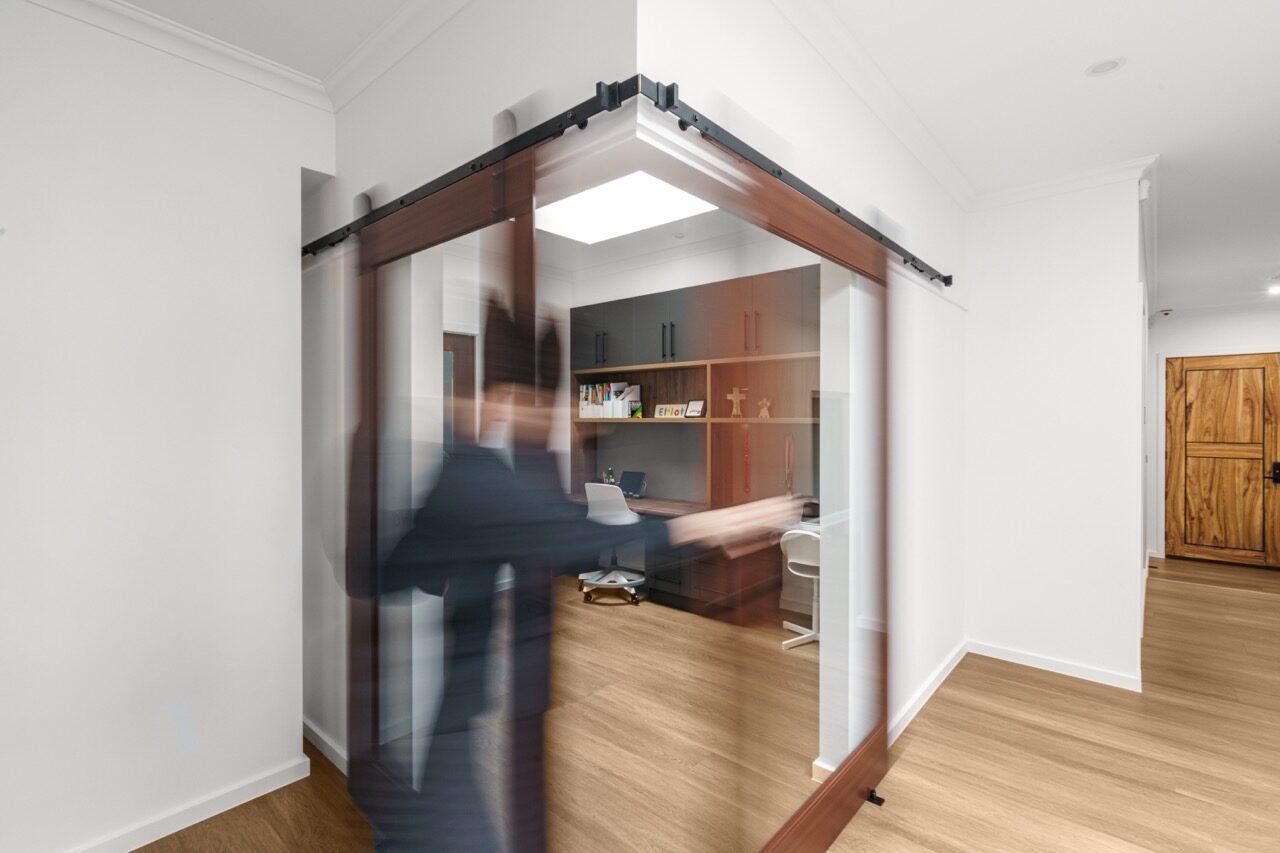
Behind the Brief: New Lane Projects

The Best Sales Tool a Builder Can Have

In property and construction, your work is your reputation. But here’s the catch: most of that work happens behind closed walls, on job sites that clients never see, on timelines that span months. By the time the project is finished and the client moves in, the journey that got there is already forgotten.

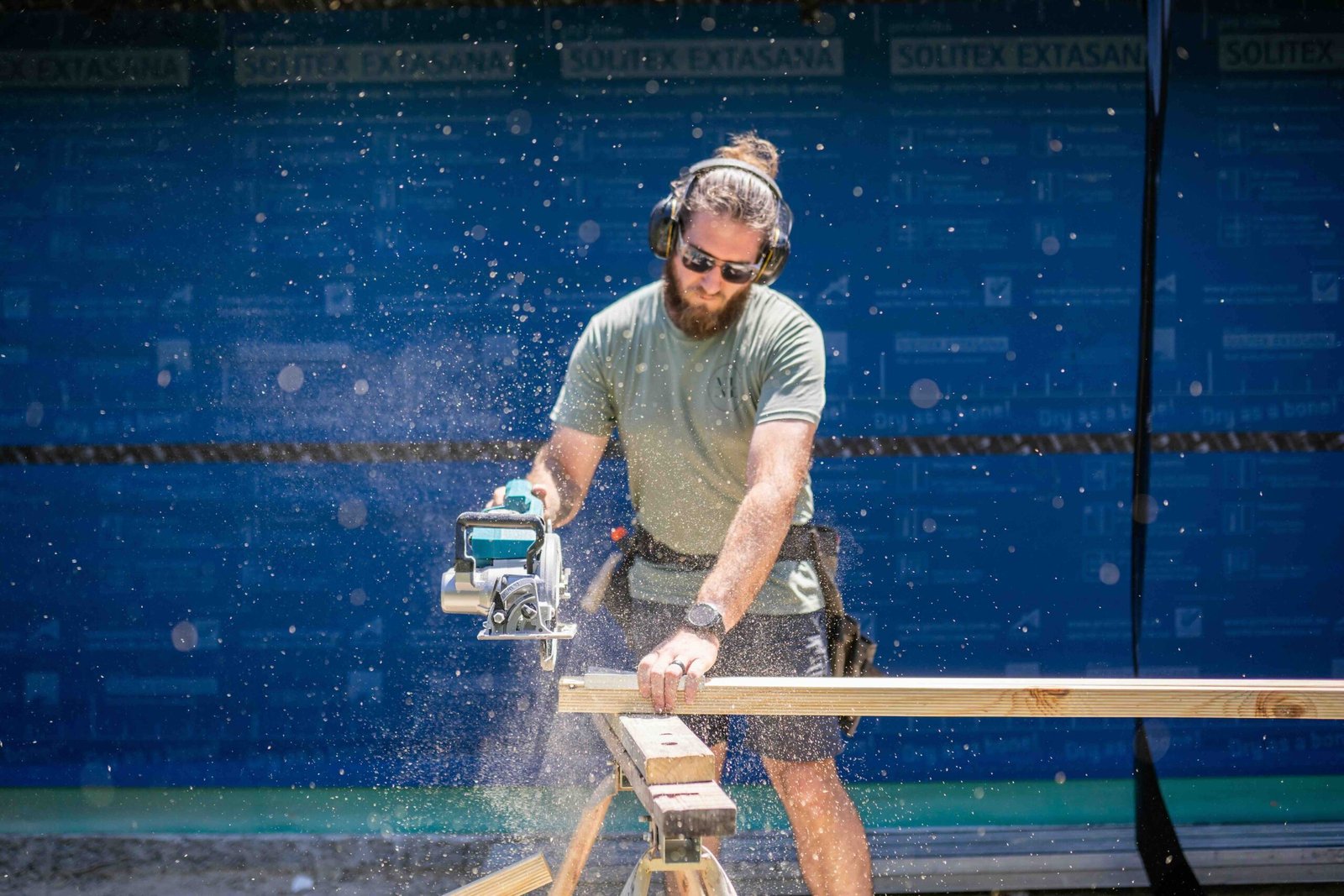
New Lane Projects understood this. When they took on a major residential renovation in Nicholls, they didn’t just want a few photos of the finished product. They wanted to document the entire transformation, from the original state of the property through the active construction phase to the final reveal.

That’s a different kind of brief. And it produced a different kind of result.

The Brief

New Lane Projects wanted a comprehensive visual record of the Nicholls renovation that could serve as a flagship case study for their business. The content needed to work across their website, social media, and future client proposals.

The key challenge was logistics. Documenting a renovation means coordinating multiple on-site sessions over the life of the project without slowing down the trades or getting in the way of active construction. We needed to capture three distinct stages: before, during, and after.

We also needed to maintain visual consistency across all three sessions. If you’re going to do before-and-after comparisons, the framing, angles, and lighting need to be close enough that the transformation reads clearly. That takes planning upfront, not just showing up with a camera on completion day.

How We Approached It

We worked with the New Lane Projects team to build a shoot schedule aligned with key project milestones. Three sessions, each with a specific purpose:

Session one captured the property in its original state. Wide shots and detail close-ups of every room, documenting the starting point with clean, consistent framing that we could replicate later.

Session two happened mid-renovation. This was about showing the work in progress: the structural changes, the trades on site, the scale of the transformation underway. We used both drone and ground-level footage to capture the full scope, including aerial shots that showed how the property’s layout was evolving.

Session three was the final reveal. Polished, clean interiors and exteriors, filmed with the same framing as session one so the side-by-side comparisons would be immediate and striking.

In post-production, we edited a cinematic recap film that told the full renovation story in 2 to 3 minutes, with smooth transitions and before-and-after comparison cuts. We also produced 30+ professionally graded still images, including side-by-side layouts ready for social media and proposals.

What We Delivered

  • A 2 to 3 minute cinematic project recap film
  • 30+ high-quality images including before-and-after comparison sets
  • Drone stills and video showcasing property scale and design integration
  • All content formatted for website, social media, and client proposals

Why This Matters for Construction and Property Businesses

If you’re a builder, renovator, or property developer, your completed projects are your most powerful marketing tool. But a handful of “after” photos only tells half the story.

Showing the journey, the before state, the complexity of the work, the skill involved, and the final result, gives prospective clients something far more valuable than a pretty picture. It gives them confidence. They can see that you manage complex projects with professionalism, that you communicate well, and that the finished product lives up to the promise.

The Nicholls project is now the centrepiece of New Lane Projects’ digital presence. They use it during the quoting process to show potential clients exactly what working with them looks like. They post the comparison shots on social media, where they consistently outperform generic project photos. And they include the recap film in proposals, giving them a competitive edge before the client has even met them.

If you’re doing great work but struggling to communicate it, start documenting your projects from day one. The content practically creates itself when you plan for it. Sometimes, photography alone is enough to tell a compelling story.

Book a discovery call and let’s talk about turning your next project into a case study that wins more work.
Read More
DSC03275
Studio Who
12 July 2026By Studio Who Team

Canberra Profile: New Lane Projects

The Builders Redefining What Canberra Renovation Looks Like

Canberra’s renovation market has changed. Ten years ago, a “good renovation” meant updating the kitchen and repainting the bedrooms. Today, homeowners are thinking bigger. They’re opening up floor plans, extending living spaces, and designing homes that reflect how they actually want to live. The standard of work, and the expectations that come with it, has risen significantly.

New Lane Projects is one of the builders leading that shift. Based in Canberra, they specialise in residential renovations that go beyond surface-level updates. Their work is detailed, design-conscious, and finished to a standard that competes with new builds.

What Makes Them Different

There are a lot of builders in Canberra. The ones who stand out aren’t just the ones who do good work. They’re the ones who communicate well, manage expectations clearly, and deliver projects that match the vision they sold during the quoting process.

New Lane Projects treats every renovation as a chance to demonstrate their capability. They don’t cut corners, they don’t rush, and they don’t hand over a finished product until they’re confident it represents their best work. That approach builds the kind of reputation that referrals are made of.

Their Nicholls renovation is a good example. It was a comprehensive residential project that involved structural changes, modern design integration, and attention to detail throughout. The finished result didn’t just meet the homeowner’s expectations. It gave New Lane Projects a flagship project they could use to demonstrate their capability to every future client.

Why Documentation Matters

One of the smartest things New Lane Projects did with the Nicholls project was document it properly from day one. We captured the renovation across three sessions: before work began, during the active construction phase, and after completion.

That documentation produced several things. A cinematic recap film that tells the full transformation story in under three minutes. A library of 30+ professionally shot images including before-and-after comparison sets. And drone footage that shows the property’s scale and how the new design integrates with its surroundings.

Most builders take a few phone photos when the job is done and call it marketing. New Lane Projects ended up with a complete visual case study that they now use in proposals, on social media, and on their website. It gives prospective clients a clear picture of what working with them looks like, from the first day to the last.

The before-and-after comparison shots have been particularly effective on social media. Transformation content consistently outperforms other post types because it’s visual, immediate, and tells a clear story. A side-by-side image of a dated kitchen next to a finished, contemporary space doesn’t need a caption to make its point.

Building Canberra’s Reputation

Canberra sometimes gets overlooked in the national conversation about design and construction. Sydney and Melbourne get most of the attention. But the quality of residential work being produced in Canberra right now is genuinely impressive, and businesses like New Lane Projects are a big part of that story.

What’s happening in Canberra’s renovation market reflects broader changes in how people here think about their homes. With house prices at a level where many people are choosing to renovate rather than move, the demand for high-quality renovation work has grown. And with that demand has come a new generation of builders who approach residential projects with the same level of professionalism and design thinking you’d expect from a commercial fit-out.

New Lane Projects fits that mould. Their work doesn’t just improve individual homes. It raises the bar for what a Canberra renovation can be.

What Other Builders Can Take From This

There are a few things that set New Lane Projects apart that any builder or renovator could adopt:

Document your projects from the start. Don’t wait until the job is done to think about content. Plan three touchpoints (before, during, after) and capture each one professionally. The investment pays for itself in marketing value.

Present your work professionally. Your completed projects are your best sales tool. But they need to be presented in a way that matches their quality. Professional photography and video outperform phone photos every time.

Use your content in the sales process. Don’t just post it on Instagram and forget about it. Include project case studies in your proposals. Send recap videos to prospective clients. Show people what you’re capable of before they commit.

Canberra is building something worth paying attention to. And the builders who invest in telling that story are the ones who’ll keep winning the best projects. Read more about how we approached the New Lane Projects brief.

Book a discovery call and let’s talk about documenting your next project.

Read More
70201073 Large
Studio Who
5 July 2026By Studio Who Team

Content for Property and Construction: Selling the Build Before It Is Finished

Every Builder in Canberra Says They Do Quality Work. Prove It.

Property and construction is one of the most visual industries there is. You’re literally building things people can see and touch. And yet, most builders, renovators, and developers in Canberra are marketing themselves with the same three things: a logo, a list of suburbs they work in, and a handful of “after” photos taken on a phone.

In a market this competitive, that’s not enough.

Canberra’s property market has quieter periods and boom periods, but one thing stays constant: clients do their homework. Whether it’s a homeowner planning a renovation or a developer looking for a builder for a multi-unit project, they’re comparing you to five other companies. And the one that looks the most professional, the most established, and the most trustworthy online is the one that gets the call.

Why Property and Construction Needs Better Content

Think about the last time you chose a tradesperson or a builder. You probably looked at their website, their Instagram, and maybe their Google reviews. If their website looked outdated, or their social media was a mess of random job site photos, you moved on. Everyone does.

The property and construction industry is built on trust and reputation. But in 2026, reputation isn’t just word of mouth anymore. It’s what people find when they search your name. And if what they find doesn’t match the quality of your work, you’re losing jobs to competitors who simply present better.

Good content does three things for property and construction businesses:

Shows the Full Story, Not Just the End Result

An “after” photo of a finished kitchen is nice. But it doesn’t show the complexity of the work, the problem-solving, or the skill involved. Documenting the full project journey, from the original state through construction to completion, gives prospective clients a much richer understanding of what you actually do.

When we worked with New Lane Projects on their Nicholls renovation, we captured the project across three sessions: before, during, and after. The before-and-after comparison shots were striking on their own, but the mid-construction footage showed the scale and complexity of the work. That’s the content that makes a homeowner say, “These guys know what they’re doing.”

Builds Confidence During the Quoting Process

The time between getting a quote and signing a contract is when clients are most uncertain. They’re about to spend a significant amount of money with someone they might have only met once. Anything you can do to build confidence during that period shortens the sales cycle.

A well-produced project recap film or a library of professional case study photos that you can share alongside your quote gives clients tangible evidence of your capability. New Lane Projects now uses their Nicholls content in every proposal, and it consistently helps them stand out.

Performs on Social Media

Property content is some of the most engaging content on social media. Before-and-after reveals, time-lapse construction footage, drone flyovers of completed projects. These formats get attention. They stop the scroll in a way that a text post about your latest build never will.

But the content has to be properly produced. Shaky phone footage from a muddy job site might show you’re busy, but it doesn’t show you’re professional. The difference between “busy builder” and “premium builder” often comes down to how the work is presented, not the work itself. Understanding why short-form content matters can help you make the most of these formats.

What to Invest In

If you’re in property or construction and want to upgrade your content, here’s where to start:

Document your next project from day one. Three planned sessions (before, during, after) will give you enough material for a recap video, social content, and proposal materials. Plan the framing and angles in advance so the comparisons are clean.

Invest in drone content. Aerial footage shows scale, context, and design integration in a way that ground-level photography can’t. For larger projects especially, drone content is almost essential.

Get professional photography of completed work. Hire someone who understands architectural photography, someone who knows how to work with natural light, compose a room, and make a space look its best without it feeling artificial.

Create a 2 to 3 minute project recap film. This becomes your most versatile marketing asset. It works on your website, in proposals, on social media, and in client presentations.

The Opportunity in Canberra

Canberra’s construction and renovation market is growing, and with it, client expectations. Homeowners are more design-conscious than ever. Developers are looking for builders who present professionally. And everyone is doing research online before they pick up the phone.

Our work with Millynn Homes shows this in practice. We partnered with them to build a brand identity, website, and content suite that reflects the quality of their builds. The result is a digital presence that competes with builders several times their size.

The builders who invest in how they present their work, not just how they deliver it, are the ones winning more of the right projects. It’s not about pretending to be something you’re not. It’s about making sure the quality of your marketing matches the quality of your builds.

Book a discovery call and let’s talk about turning your best work into content that wins more projects.

Read More
K Property-2
Studio Who
28 June 2026By Studio Who Team

When You Need a Testimonial Video (and How to Make It Convincing)

The Most Convincing Thing You Can Put on Your Website

You can write the best copy in the world about your business. You can list every qualification, every award, every year of experience. But none of it will be as convincing as a real person looking into a camera and saying, “They changed my life.”

That’s what testimonial video does. It takes the trust-building process that normally happens over weeks or months and compresses it into 60 seconds. It’s social proof in its most powerful form.

Why Testimonial Video Works

People trust other people more than they trust businesses. That’s not a criticism of your marketing. It’s just how humans work. We look for signals from our peers before making decisions, especially when there’s money or risk involved.

Written testimonials help. Star ratings help. But video testimonials operate on a different level because they carry emotional weight that text can’t replicate. You can see the person’s face. You can hear their voice. You can tell whether they genuinely mean what they’re saying. That authenticity is what makes someone watching think, “If it worked for them, it might work for me.”

When we filmed testimonials for Reset Strength and Sports Recovery Centre in Canberra, we asked five real clients to talk about their experience. No scripts, no prompts beyond simple questions like “What brought you here?” and “What’s changed for you?” The answers were specific, personal, and honest. One person talked about getting back to sport after an injury. Another talked about how the recovery sessions improved their sleep. Those stories did more for Reset’s credibility than any amount of marketing copy could.

When You Need Testimonial Video

Testimonial video is valuable for almost any business, but it’s especially powerful in industries where trust is the primary barrier to conversion:

Healthcare and allied health. Patients choosing a new practitioner want reassurance from people who have been through the same experience. A video testimonial from a recovered patient is the most effective way to provide that.

Professional services. Clients hiring an architect, accountant, or consultant want to know what the working relationship is like. A testimonial from a past client that speaks to the process, not just the outcome, builds confidence.

Education. Parents choosing a school or childcare centre want to hear from other parents. What’s the communication like? How does their child feel about going? These questions are best answered by real families.

High-value products and services. Any purchase that involves significant cost or commitment benefits from social proof. If your customers need convincing, let your happiest customers do the convincing for you.

What Makes a Good Testimonial Video

Not all testimonial videos are created equal. The ones that work share a few common traits:

Real People, Not Actors

This should go without saying, but the person on camera needs to be a genuine customer or client. Audiences can spot inauthenticity instantly, and a fake testimonial does more damage than no testimonial at all.

A Story, Not a Review

The best testimonials follow a simple arc: where I was before, what I did, and where I am now. That’s a story. It’s relatable and memorable. A generic “they were great, I’d recommend them” doesn’t stick the same way.

Genuine Emotion

You don’t need tears or drama. You just need sincerity. When someone pauses to think about their answer, or smiles when they talk about a result, those micro-moments carry enormous weight on camera.

Professional Production

The content might be authentic, but the execution should be polished. Clean audio, good lighting, steady framing, and thoughtful editing. A poorly produced testimonial can undermine the credibility of the person speaking. The production quality should match the quality of the experience being described.

How We Approach Testimonial Shoots

We typically build testimonial capture into a broader brand video shoot, so clients get both their hero content and their social proof from a single production day. Here’s what the process looks like:

Before the shoot: We work with you to identify the right people. Ideally, these are clients who had a clear problem, experienced your service, and got a meaningful result. We prepare loose interview prompts, not scripts, designed to draw out their natural story.

On the day: We set up a comfortable interview environment, usually in your space so it feels familiar. The conversation is casual and guided, not interrogative. Most people relax within the first minute once they realise it’s just a chat.

In post-production: We edit the raw conversation down to the strongest 60 to 90 seconds, add subtitles for accessibility, and deliver in formats optimised for your website and social platforms.

Where to Use Them

Testimonial videos are incredibly versatile:

  • On your homepage, near the call to action
  • On individual service or product pages
  • In email campaigns and nurture sequences
  • As standalone social media posts
  • In sales presentations and proposals

One or two strong testimonial videos can fundamentally change how prospects perceive your business. And because they feature real people telling real stories, they age well. A good testimonial stays relevant for years.

Book a discovery call and let’s capture the stories your clients are already telling about you.

Read More
A7104862 Large
Studio Who
21 June 2026By Studio Who Team

Behind the Brief: Filardo Ercan

Architecture Speaks for Itself, But Only If You Frame It Right

Filardo Ercan Architects designs spaces that are thoughtful, precise, and built to last. Their portfolio spans heritage residential projects, modern commercial spaces, and everything in between. The work is exceptional. But like most architecture firms, they were relying on project photos and word of mouth to communicate their value.

That’s fine when you’re busy. But when you want to grow, attract different types of clients, or simply stand out in a competitive market like Canberra’s, a handful of project images on a website isn’t enough. You need to show the thinking behind the work.

The Brief

Filardo Ercan wanted a brand film that would do more than showcase finished buildings. They wanted something that communicated their design philosophy, the way they collaborate with clients, and the care they bring to every project.

The key challenge was balancing two qualities that don’t always sit comfortably together: technical architectural excellence and genuine human warmth. Their work is precise and considered, but Can and Maria (the co-founders) are also approachable, passionate people who care deeply about the humans who will live and work in the spaces they create.

We needed to capture both sides in a way that felt natural, not forced.

How We Approached It

We started with a discovery session to understand the firm’s values, their ideal clients, and the projects they were most proud of. From there, we developed interview prompts designed to draw out story-led reflections rather than rehearsed marketing lines.

The filming took place over two days across multiple residential and commercial locations. We used a combination of handheld, gimbal, and drone footage to show the spaces from every angle, focusing on the materials, textures, and design details that make Filardo Ercan’s work distinctive.

The backbone of the film was built on two types of interviews. First, conversations with Can and Maria about their process, their values, and what drives their work. Second, testimonials from three past clients who talked about their experience of working with the firm and living in the finished spaces.

Those client voices were essential. When a homeowner talks about how a renovation changed the way their family uses their home, it carries more weight than any architect explaining their design rationale. It’s proof of impact, told by the people who feel it every day.

We kept the editing restrained. Fluid transitions between interview footage and architectural b-roll. Warm colour grading that complemented natural light. Ambient audio from on-site recordings mixed with licensed music. Minimal graphics, letting the visuals and the dialogue do the work.

What We Delivered

  • A 3 to 4 minute hero brand film with embedded subtitles and light branding
  • 30+ professionally edited photographs across all featured projects
  • Subtitled and optimised formats for social media, desktop, and mobile

The brand film now sits at the centre of Filardo Ercan’s digital identity. It’s the first thing prospective clients see, and it sets the tone for every interaction that follows.

Why This Matters for Professional Services

Architecture firms, like law firms, accounting practices, and engineering consultancies, often struggle with the same marketing challenge. Their work is highly skilled, deeply technical, and fundamentally about relationships and trust. But their content usually doesn’t reflect that.

A brand film changes the dynamic. Instead of asking a potential client to read case studies and project descriptions, you’re inviting them to see how you work, hear from people you’ve worked with, and get a feel for whether you’re the right fit.

For Filardo Ercan, the video helped increase engagement on social platforms, build trust with new enquiries, and give prospective collaborators confidence before the first meeting even happens.

That’s the real value of this kind of content. It does the selling before the sales conversation starts.

Read more about Filardo Ercan’s Canberra profile.

See the full project in the Filardo Ercan Architects case study.

Book a discovery call and let’s talk about how a brand film could work for your practice.

Read More
Aero Group corporate shoot
Studio Who
14 June 2026By Studio Who Team

Content for Professional Services: How Lawyers, Accountants, and Consultants Can Stand Out

Your Clients Are Deciding Before They Meet You

In professional services, the buying decision is almost always about trust. Whether you’re an architect, an accountant, a lawyer, or a consultant, people aren’t comparing your offering feature by feature like they would a product. They’re trying to answer one question: can I trust this person with something important?

And increasingly, they’re answering that question based on what they find online.

A clean website with your credentials listed is the bare minimum. It tells people you exist. But it doesn’t tell them what it’s like to work with you, how you think, or why you’re different from the other three firms they’re also looking at.

That’s where branding, and specifically branded content, becomes a genuine competitive advantage.

The B2B Trust Gap

Business-to-business services have a unique marketing challenge. The sales cycle is longer, the stakes are higher, and the decision-maker usually needs to justify their choice to someone else. A homeowner might choose an architect based on gut feel. A company selecting an accounting firm needs to defend that decision in a board meeting.

This means your brand needs to do more than look professional. It needs to communicate competence, reliability, and alignment with the client’s values, all before the first meeting.

Most professional services firms rely on referrals and existing relationships to generate new business. That works, until it doesn’t. When you need to grow beyond your current network, or when a potential client Googles your firm name before accepting a referral, your digital presence has to do the talking.

What Good B2B Branding Looks Like

Let’s be specific about what we mean by “branding” in this context. It’s not just a logo and a colour palette. It’s every touchpoint a potential client has with your business: your website, your social media presence, the way you present case studies, the quality of your visual content.

Here’s what separates the firms that win work from the ones that don’t:

Show Your People

Professional services are fundamentally about people. Your clients are hiring individuals, not logos. Yet most B2B websites hide their team behind generic headshots and one-paragraph bios.

When we created a brand film for Filardo Ercan Architects in Canberra, the most compelling parts of the video weren’t the stunning building shots. They were the interviews with co-founders Can and Maria, talking about their design philosophy, their process, and what they care about. Prospective clients could see their expertise and personality in 60 seconds, something that would normally take three meetings to establish.

Let Your Clients Speak for You

Testimonials from past clients carry enormous weight in B2B. A written quote is good. A video testimonial is better. When a business owner or decision-maker looks into the camera and says “they delivered on time, on budget, and exceeded our expectations,” that’s proof that no sales pitch can replicate.

For the Filardo Ercan project, we included testimonials from three past clients. Each one talked about their experience of working with the firm and living in or using the finished spaces. That peer validation was the thing that made prospective clients feel safe enough to reach out.

Make Your Work Visible

Most professional services firms have impressive portfolios of completed work. But too often, that work is buried in a PDF case study or hidden behind a login. Bring it to the surface. Show it in context. Use video and photography to demonstrate the quality and scale of what you deliver.

A 2 to 3 minute brand film that tours your best work, introduced by the people who did it and endorsed by the clients who benefited, is worth more than a 50-page capabilities document that nobody reads.

The Canberra Angle

Canberra’s professional services market is competitive and relationship-driven. With a large public sector workforce and a growing private sector, there’s no shortage of firms competing for the same contracts and clients.

In that environment, the firms that invest in their brand, not just their service delivery, tend to win more consistently. They’re the ones that show up in search results with a polished website. They’re the ones whose LinkedIn posts feature professional photography and video. They’re the ones who look like they take their business as seriously as their clients take theirs.

If your firm’s online presence doesn’t match the quality of the work you do, you’re leaving a gap that your competitors will happily fill.

Start With What You’ve Got

You don’t need to overhaul everything at once. A single brand film, a set of professional team photos, and a handful of client testimonials will fundamentally change how prospective clients perceive your firm.

The return on that investment shows up in shorter sales cycles, higher-quality leads, and clients who come to the first meeting already trusting that you’re the right fit.

Book a discovery call and let’s talk about building a brand presence that matches the quality of your work.

Also read: Behind the Brief: CUPRA

Read More
Studio Who on site at CPA Congress 2025
Studio Who
7 June 2026By Studio Who Team

When Photography Alone Is Enough (and When It Is Not)

Sometimes a Photo Is All You Need

Not every project needs video. That might sound strange coming from a creative studio, but it’s true. There are situations where professional photography on its own is the most effective, most efficient, and most appropriate investment you can make.

The trick is knowing when photography alone does the job, and when you need something more.

Where Photography Shines

Photography works best when the thing you’re showing is static, visual, and self-explanatory. If someone can look at an image and immediately understand the quality of what you offer, you might not need video to tell that story.

Here are the most common scenarios:

Product photography. If you sell physical products, whether online or through retail, professional product images are non-negotiable. Clean, well-lit photography on a consistent background is the foundation of any product listing, website, or catalogue. Video adds value for complex products, but for most items, strong photos do the heavy lifting.

Interior and architectural photography. When the space itself is the story, photography captures it beautifully. Wide-angle shots, detail close-ups, and considered compositions can communicate quality, design, and atmosphere in a single frame. Architecture firms, interior designers, hospitality venues, and property developers all rely heavily on this.

Team and headshot photography. Your “About” page is often one of the most visited pages on your website. Professional headshots and candid team photos make your business feel real and approachable. These don’t need to be video. A well-shot photo suite refreshes your entire digital presence overnight.

Food and hospitality photography. Restaurants, cafes, caterers, and food producers live and die by how good their product looks. Professional food photography can be the difference between someone scrolling past your Instagram post and someone booking a table.

Education and childcare. Schools and early learning centres need authentic images of their environment, their educators, and their students. Parents want to see the real thing, not stock photos. When we’ve worked with education providers like Harbour Early Learning and Canberra Girls Grammar, the photography alone gave them months of content for their website, social media, and enrolment materials.

When Photography Isn’t Enough

Photography has limitations. It can’t show movement, process, or personality the way video can. If your business relies on demonstrating how something works, how your team interacts with clients, or what an experience feels like, you’ll likely need video as well.

A renovation builder, for example, benefits from photography of the finished result. But showing the full transformation from before to after, with the construction process in between, is a story that video tells far more effectively.

Similarly, a healthcare practice can use photos to show their clinic and team. But if they want patients to understand what a treatment involves, or hear from other patients about their experience, video is the better format.

The question to ask is: does my audience need to see what this looks like, or do they need to understand what it feels like? If it’s the former, photography may be enough. If it’s the latter, consider adding video.

Getting the Most From a Photo Shoot

If you’re investing in professional photography, here are a few things that make the difference:

Plan your shot list. Don’t just show up and hope for the best. Think about what you need the images for: website pages, social media, proposals, signage. Then build a list of specific shots that serve each purpose.

Shoot in real conditions. The best brand photography feels natural. Real people in real environments doing real things. Avoid overly staged setups unless you’re shooting products.

Think about consistency. If you’re shooting for a website refresh, all the images should feel like they belong together. That means consistent lighting, colour grading, and composition across the whole set.

Get more than you think you need. A single shoot can produce images for your website, social media, email campaigns, proposals, and print materials. Shoot wide and tight. Get candid and posed. The more variety you capture, the longer the content lasts.

The Bottom Line

Professional photography is one of the best-value investments a business can make. A half-day shoot can produce enough content to refresh your entire online presence and keep your social media fed for months.

Not everything needs to be a video. Know when photography alone is enough, invest in doing it properly, and you’ll have a library of visual assets that work hard across every channel.

Book a discovery call and let’s work out the right visual approach for your business.

Read More
A7401121 Large
Studio Who
31 May 2026By Studio Who Team

Behind the Brief: CUPRA

Selling a Feeling, Not a Spec Sheet

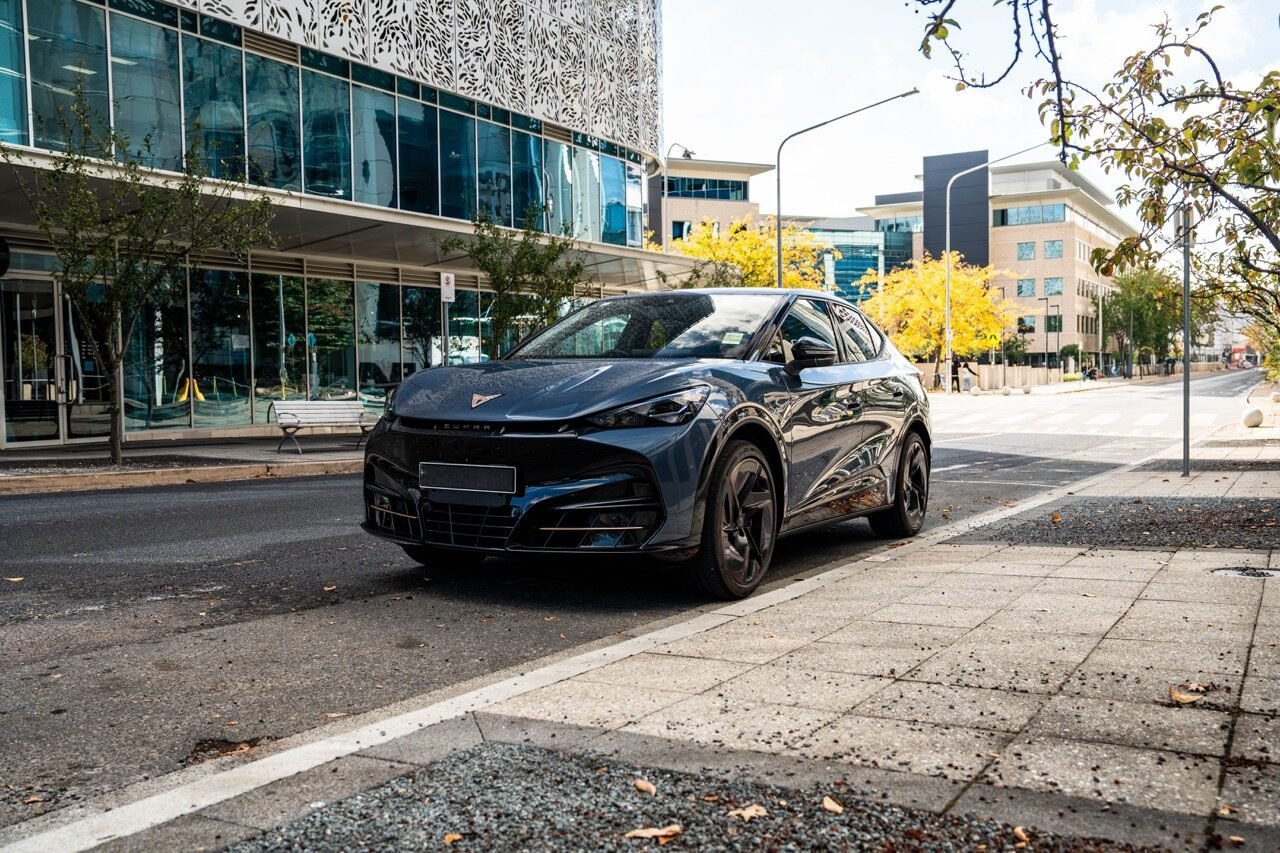
When CUPRA Garage Canberra launched the Tavascan VZ, their all-electric performance SUV, they didn’t want a traditional car ad. No voiceover listing features. No slow pan across a dashboard while someone talks about torque. They wanted something that felt more like a premium lifestyle film than a dealership promo.

That’s a different kind of brief. And it’s the kind of work that shows how positioning through content can be far more powerful than simply listing what a product does.

The Brief

The project came through Ignite Group, who manage CUPRA’s Canberra presence. The goal was to position the Tavascan VZ not just as an electric vehicle, but as a statement piece for a specific type of buyer: young professionals in Canberra who care about design, technology, and sustainability.

CUPRA sits in an interesting spot in the market. It’s a performance brand with European design roots, but it’s not as well known in Australia as the big luxury names. That meant the content had to do double duty. It needed to introduce the brand’s identity while also creating desire for a specific vehicle.

The ask was a dual-format brand film, one in landscape for YouTube and website use, one in vertical for Instagram Reels and TikTok. Both had to feel cinematic, aspirational, and modern.

How We Approached It

We filmed in Woden’s business precinct, using the modern architecture and clean urban lines as a backdrop that complemented the vehicle’s design language. The location choice was deliberate. We weren’t shooting on a racetrack or a winding mountain road. We were showing the Tavascan in the environment where its target audience actually lives and works.

The talent was Hayden, a Canberra-based creative professional who embodied the demographic CUPRA was targeting. The narrative followed a stylised version of his workday: arriving at the car, interacting with the in-car technology, driving through the city, and moving between urban spaces.

The entire film was shot without dialogue. No voiceover, no interview grabs, no text overlays explaining features. Everything was communicated through composition, movement, colour, and music. That was a conscious creative choice. We wanted the viewer to feel something, not read something.

The colour grade was muted and warm, leaning into a premium lifestyle aesthetic rather than the high-contrast, saturated look you often see in automotive content. The music was ambient and modern with a clean beat, chosen to match the brand’s progressive positioning.

What We Delivered

  • One vertical video (9:16) for Instagram Reels, TikTok, and Stories
  • One landscape video (16:9) for YouTube, website banners, and in-showroom screens

Both versions told the same story but were edited to suit their respective platforms. The vertical cut was tighter and faster-paced. The landscape version breathed more, with wider compositions that showed off the vehicle’s lines against the architecture.

Why This Approach Works for Premium Brands

Premium brands often make the mistake of leading with specifications. They assume that because their product is objectively impressive, the content just needs to list features and the audience will be convinced.

But that’s not how luxury works. People don’t buy a CUPRA because of its kilowatt output. They buy it because of how it makes them feel and what it says about who they are. The content needs to reflect that.

By stripping out dialogue and letting the visuals carry the message, we gave CUPRA something that transcended the typical car launch content. It wasn’t an ad. It was a mood. And that mood aligned perfectly with the type of person who would walk into CUPRA Garage Canberra and ask for a test drive.

If your brand operates in the premium space, whether that’s automotive, architecture, hospitality, or professional services, the same principle applies. Don’t just show what you sell. Show the world your customer wants to be part of.

See how the full project came together in the CUPRA Tavascan case study.

Book a discovery call and let’s talk about positioning your brand through content that connects.

Read More
CPA- Congress- 2025-Goldcoast-12
Studio Who
24 May 2026By Studio Who Team

When You Need Event Coverage (and How to Get It Right)

Your Event Happens Once. The Content Should Last Months.

Event coverage is one of the most undervalued content formats. Organisations pour time and money into planning events, conferences, galas, product launches, and industry gatherings, but treat the content capture as an afterthought. A photographer gets booked last minute. Someone from the team records a few clips on their phone. And the result is a folder of unusable footage that nobody ever looks at again.

Done properly, event coverage is a content engine. One well-filmed event can produce a highlight reel, social cutdowns, interview clips, a photo library, and raw footage that feeds your marketing for months.

What Event Coverage Actually Involves

Event coverage isn’t just “having a camera in the room.” It’s a planned production approach designed to capture the right moments in the right formats so the content can be used effectively afterwards.

There are three layers to it:

Documentation

The foundation. Capturing the key moments of the event as they happen: keynotes, panels, networking, arrivals, sponsor activations. This is the objective record of what took place.

Storytelling

The layer that turns documentation into content. This includes interview grabs with speakers and attendees, candid moments that capture the atmosphere, and b-roll that gives editors enough material to craft a narrative in post-production.

Social-Ready Formats

Shooting with the end platform in mind. Vertical clips for Instagram and LinkedIn, wide shots for YouTube and websites, quick-turn edits that can be posted the same day or the next morning while the event is still fresh in people’s minds.

When You Need Professional Event Coverage

Not every event needs a full production crew. A small internal team meeting probably doesn’t warrant it. But if your event involves any of the following, professional coverage is worth the investment:

  • External attendees who you want to impress and re-engage afterwards
  • Sponsors or partners who expect proof of impact and visibility
  • Speakers or panellists whose insights are worth preserving
  • A marketing goal tied to the event, like lead generation, brand awareness, or recruitment

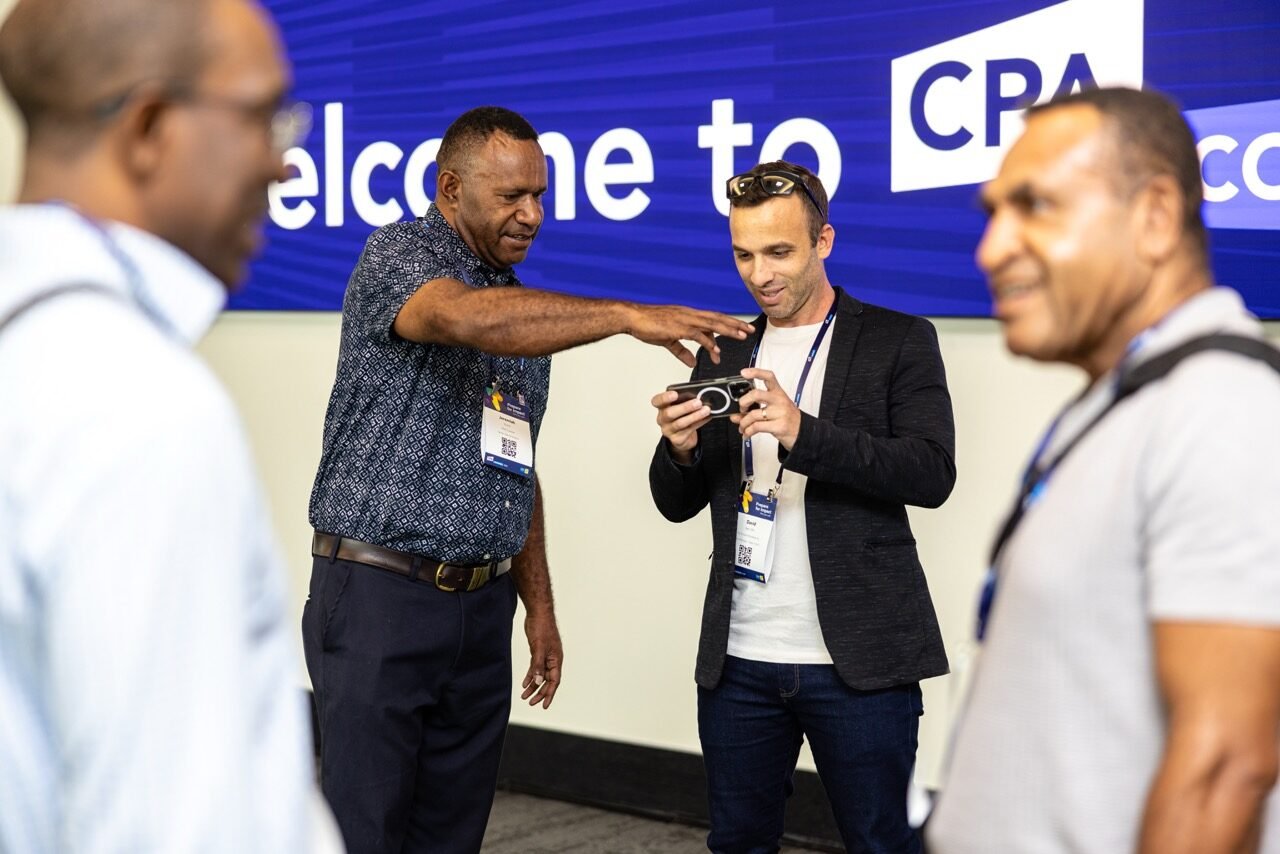
When we covered the CPA Congress 2024 at the National Convention Centre in Canberra, the event had over 1,000 attendees across two days. We deployed multiple photographers and videographers, ran a photobooth with facial recognition and QR code access for instant headshots, and delivered a highlight reel during the business lunch on Day 2. The client walked away with 300+ edited images, a full video archive, and a suite of social assets.

For the IBM x AIIA International Women’s Day event, the brief was tighter: a 90-second recap video and a 45-second social cutdown, plus candid photography. We ran a two-camera setup with multiple audio sources and conducted post-event interviews to add depth to the final edit.

Different scale, different deliverables, same principle: plan the content before the event, capture it properly on the day, and make sure it works hard afterwards.

What You Get From Good Event Coverage

A well-covered event typically produces:

  • A highlight reel (60 to 90 seconds) for social media and stakeholder reporting
  • A shorter social cutdown (15 to 30 seconds) optimised for vertical platforms
  • Interview clips that can be repurposed as standalone content
  • A curated photo library for your website, annual report, and future promotion
  • Raw footage for internal use and future edits

When we worked with the Foundation for Young Australians on the Make It 16 campaign at Parliament House, we delivered raw interview cuts within 24 hours to maintain campaign momentum. The full recap followed shortly after. That fast turnaround was built into the plan from the start, because we knew the client needed to capitalise on the event’s energy while it was still fresh.

How to Get the Most Out of It

A few things that make the difference between “we filmed our event” and “our event generated three months of content”:

Brief your production team early. Share the run sheet, the key moments, and the people who matter. The more context the crew has, the better the coverage.

Plan your post-event content before the event. Know what formats you need, what platforms you’re posting to, and what turnaround times matter. This shapes how the team shoots on the day.

Capture more than the stage. The moments between sessions, the networking, the candid conversations. These often produce the most engaging and shareable content.

Think about audio. Events are noisy. If you want usable interview footage or clear speaker audio, you need dedicated audio equipment, not just whatever the camera’s built-in mic picks up.

Event coverage is the format that turns one day into a library of content. Plan for it, invest in it, and you’ll never look at your events the same way.

Book a discovery call and let’s plan the coverage for your next event.

Read More
A7402376 Large - Studio Who
Studio Who
17 May 2026By Studio Who Team

Content for Education: How Schools and Training Providers Can Use Video to Build Enrolment

Every School Has a Story. Most Aren’t Telling It.

Parents in Canberra have options. Between public schools, private schools, Catholic schools, Montessori, Steiner, and a growing number of early learning centres, the education landscape is competitive. And most families are doing their research long before they attend an open day.

That means your website, your social media, and your digital presence are doing the first round of selling for you, whether you’ve invested in them or not.

The schools and early learning centres that stand out aren’t necessarily the ones with the biggest budgets. They’re the ones that show parents what makes them different, clearly and authentically.

Why Parents Care About Content

Let’s be honest. Every school says the same things on their website. “Nurturing environment.” “Holistic approach.” “Dedicated educators.” Those phrases have become so common that they’ve lost all meaning. Parents read them and their eyes glaze over.

What actually resonates is specificity. Not “we have great outdoor spaces,” but a video showing children exploring a purpose-built nature play area while an educator explains the learning outcomes. Not “our teachers are passionate,” but a photo of a real educator mid-lesson, completely engaged with a group of kids.

When we created a promotional video for Harbour Early Learning’s Aranda preschool, the most powerful moments weren’t the wide shots of the beautifully set-up classroom. They were the candid clips of real interactions: a child concentrating during a painting activity, an educator patiently helping a toddler, the natural joy of kids playing together outside.

Those moments are what parents are really looking for. Evidence that their child will be seen, supported, and happy.

What Education Content Should Do

Good content for schools and early learning centres serves three purposes:

Build Trust Before the Visit

Most parents have already formed an opinion before they walk through your door. A brand video that shows your environment, introduces your team, and demonstrates your approach gives them confidence that you’re worth visiting. It’s a virtual tour with personality.

Differentiate Your Offering

What makes your school different from the one down the road? Maybe it’s your outdoor learning program, your language immersion, your approach to STEM, or the way your educators build relationships with families. Whatever it is, content is how you make it visible.

Photography is particularly powerful here. A library of authentic, professionally shot images showing your unique programs and spaces tells a stronger story than any amount of text on an “Our Approach” page.

Support Enrolment Campaigns

Whether you’re filling places for the new year or promoting a new campus, having a bank of quality content means you can run campaigns quickly and effectively. Social media posts, email headers, website banners, and digital ads all need strong visuals. If you’re scrambling for images every time you need to promote something, that’s a sign your content library needs building.

What Works Best for Schools

Based on our experience working with education providers in Canberra, here’s what delivers the most value:

A hero brand video (3 to 4 minutes) that captures a typical day at your school or centre. Candid footage of children learning and playing, mixed with short interviews from educators and leadership. This becomes your most versatile asset, living on your website homepage and shareable across every platform.

Professional photography of your facility, your programs, and your people. Real photos, not staged. Shoot during actual learning hours with actual students (with appropriate permissions, of course). These images refresh your entire digital presence overnight.

Short social videos (15 to 60 seconds) highlighting specific programs, events, or moments. These keep your social media active and give prospective parents regular touchpoints with your brand.

Testimonial content from parents who can speak to the experience of having their child at your school. This is the education equivalent of a five-star review, but with the emotional weight that only video can deliver.

The Canberra Context

Canberra families are well-informed and research-driven. Many parents work in the public sector and are used to evaluating information critically. They’re not going to be won over by vague promises or flashy graphics.

What they respond to is substance. Real information, real images, and real stories from real people. The schools and centres that invest in honest, high-quality content consistently outperform those that rely on template websites and stock photography.

If you’re an education provider in the ACT and you’re not telling your story visually, you’re leaving it to parents to fill in the blanks. And they’ll fill them in using whatever they can find, which might be an outdated Google Street View photo of your front gate.

You can do better than that. And it doesn’t have to be complicated.

You can see what this looks like in practice in our work with LillyPilly Early Education Centre, where we created a video and photography suite that gave families a genuine window into the centre before their first visit.

Book a discovery call and let’s talk about how to show parents what makes your school worth choosing.

Read More
  • 1
  • 2
  • 3

Ready to get started?

Book a discovery call and we’ll map what’s working, what’s needs work, and the fastest path to a brand that’s understood and trusted.

Start a conversation

let`s talk

let`s talk
InstagramFacebook-fX-twitterLinkedin
Studio Who logo white and orange

Studio Who® – Creative Strategy. Digital Design. Brand Innovation.

Useful links

  • About us
  • Services
  • FAQs
  • Contact us
  • Terms & Conditions

Contacts

  • (02) 6103 0948
  • [email protected]
  • Canberra (servicing businesses across Australia)

Working hours

Mon – Fri: 9am – 5pm

Copyright © 2026 Studio Who is a Curated Visuals Pty Ltd Company. All rights reserved
  • Capability Statement
  • Privacy Policy