Your Event Happens Once. The Content Should Last Months.
Event coverage is one of the most undervalued content formats. Organisations pour time and money into planning events, conferences, galas, product launches, and industry gatherings, but treat the content capture as an afterthought. A photographer gets booked last minute. Someone from the team records a few clips on their phone. And the result is a folder of unusable footage that nobody ever looks at again.
Done properly, event coverage is a content engine. One well-filmed event can produce a highlight reel, social cutdowns, interview clips, a photo library, and raw footage that feeds your marketing for months.
What Event Coverage Actually Involves
Event coverage isn’t just “having a camera in the room.” It’s a planned production approach designed to capture the right moments in the right formats so the content can be used effectively afterwards.
There are three layers to it:
Documentation
The foundation. Capturing the key moments of the event as they happen: keynotes, panels, networking, arrivals, sponsor activations. This is the objective record of what took place.
Storytelling
The layer that turns documentation into content. This includes interview grabs with speakers and attendees, candid moments that capture the atmosphere, and b-roll that gives editors enough material to craft a narrative in post-production.
Social-Ready Formats
Shooting with the end platform in mind. Vertical clips for Instagram and LinkedIn, wide shots for YouTube and websites, quick-turn edits that can be posted the same day or the next morning while the event is still fresh in people’s minds.
When You Need Professional Event Coverage
Not every event needs a full production crew. A small internal team meeting probably doesn’t warrant it. But if your event involves any of the following, professional coverage is worth the investment:
- External attendees who you want to impress and re-engage afterwards
- Sponsors or partners who expect proof of impact and visibility
- Speakers or panellists whose insights are worth preserving
- A marketing goal tied to the event, like lead generation, brand awareness, or recruitment
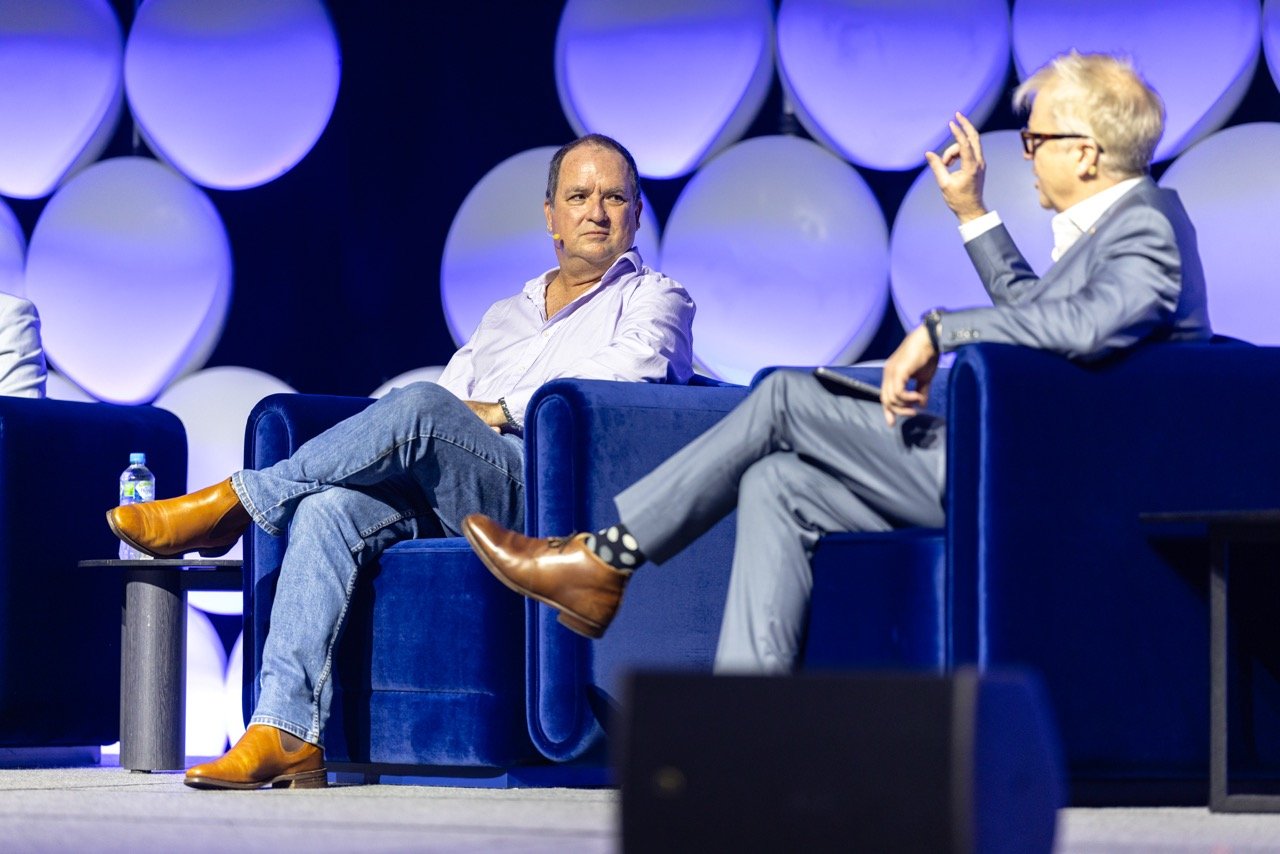
When we covered the CPA Congress 2024 at the National Convention Centre in Canberra, the event had over 1,000 attendees across two days. We deployed multiple photographers and videographers, ran a photobooth with facial recognition and QR code access for instant headshots, and delivered a highlight reel during the business lunch on Day 2. The client walked away with 300+ edited images, a full video archive, and a suite of social assets.
For the IBM x AIIA International Women’s Day event, the brief was tighter: a 90-second recap video and a 45-second social cutdown, plus candid photography. We ran a two-camera setup with multiple audio sources and conducted post-event interviews to add depth to the final edit.
Different scale, different deliverables, same principle: plan the content before the event, capture it properly on the day, and make sure it works hard afterwards.
What You Get From Good Event Coverage
A well-covered event typically produces:
- A highlight reel (60 to 90 seconds) for social media and stakeholder reporting
- A shorter social cutdown (15 to 30 seconds) optimised for vertical platforms
- Interview clips that can be repurposed as standalone content
- A curated photo library for your website, annual report, and future promotion
- Raw footage for internal use and future edits
When we worked with the Foundation for Young Australians on the Make It 16 campaign at Parliament House, we delivered raw interview cuts within 24 hours to maintain campaign momentum. The full recap followed shortly after. That fast turnaround was built into the plan from the start, because we knew the client needed to capitalise on the event’s energy while it was still fresh.
How to Get the Most Out of It
A few things that make the difference between “we filmed our event” and “our event generated three months of content”:
Brief your production team early. Share the run sheet, the key moments, and the people who matter. The more context the crew has, the better the coverage.
Plan your post-event content before the event. Know what formats you need, what platforms you’re posting to, and what turnaround times matter. This shapes how the team shoots on the day.
Capture more than the stage. The moments between sessions, the networking, the candid conversations. These often produce the most engaging and shareable content.
Think about audio. Events are noisy. If you want usable interview footage or clear speaker audio, you need dedicated audio equipment, not just whatever the camera’s built-in mic picks up.
Event coverage is the format that turns one day into a library of content. Plan for it, invest in it, and you’ll never look at your events the same way.
Book a discovery call and let’s plan the coverage for your next event.
Thinking about video for your business?
See how our Canberra video production works →