Most businesses that come to us thinking about video have a brand film in mind. Something polished, two to three minutes, that captures who they are and what they do. And often, that’s exactly the right choice.
But sometimes the story is bigger than that. Sometimes a brand film can’t hold everything that needs to be said. That’s where documentary-style filmmaking comes in.
This format sits in its own category. It’s not a brand video, it’s not an ad, and it’s not a highlight reel. It’s a longer, more considered piece of storytelling that follows a subject, a process, or a moment in time, and lets it unfold naturally on screen. When it’s done well, it’s one of the most powerful things a business can put in front of an audience.
What Makes Something a Documentary-Style Film
The defining characteristic of this format is that it follows a story rather than presenting one. A brand video is typically scripted and constructed, with voiceover, b-roll, and carefully chosen soundbites. A documentary-style film is more observational. It might follow a founder over several days. It might trace the journey of a product from concept to creation. It might capture an organisation going through a meaningful change.
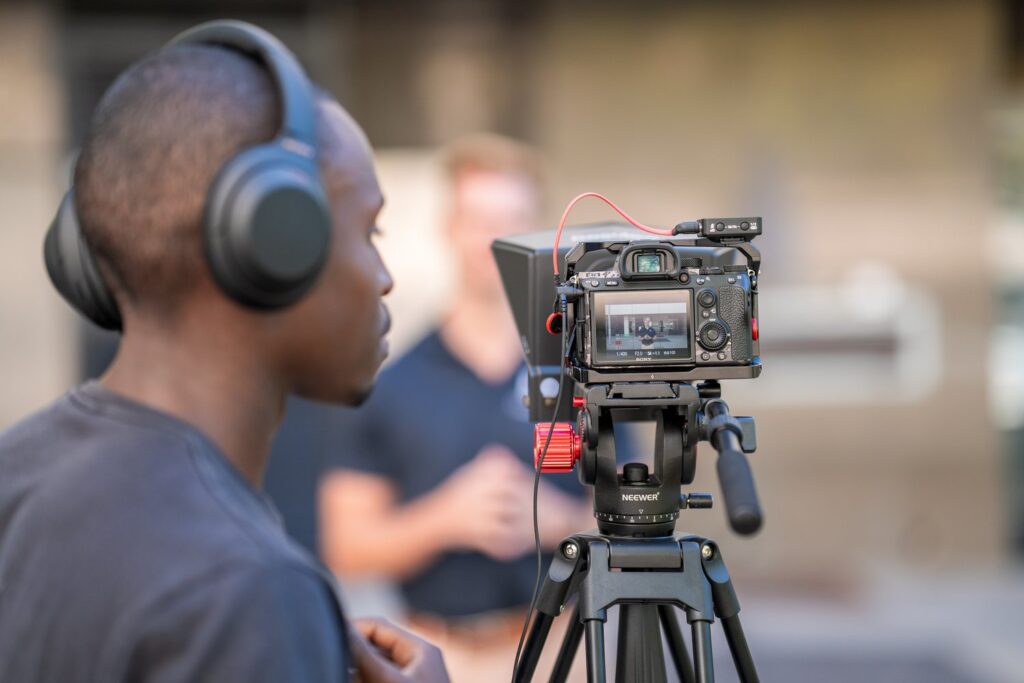
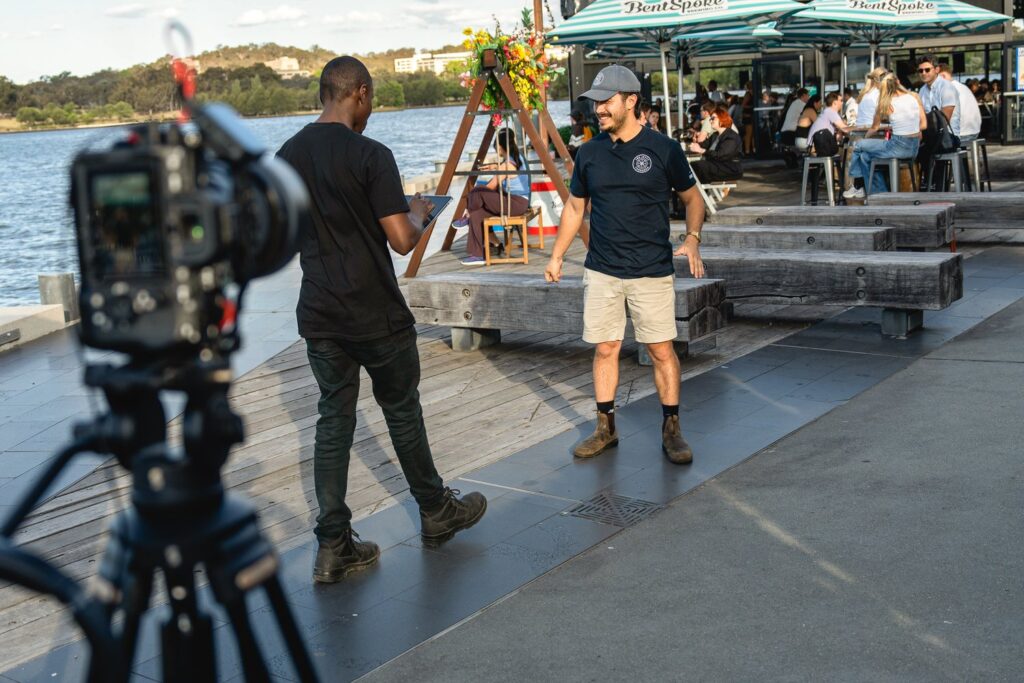
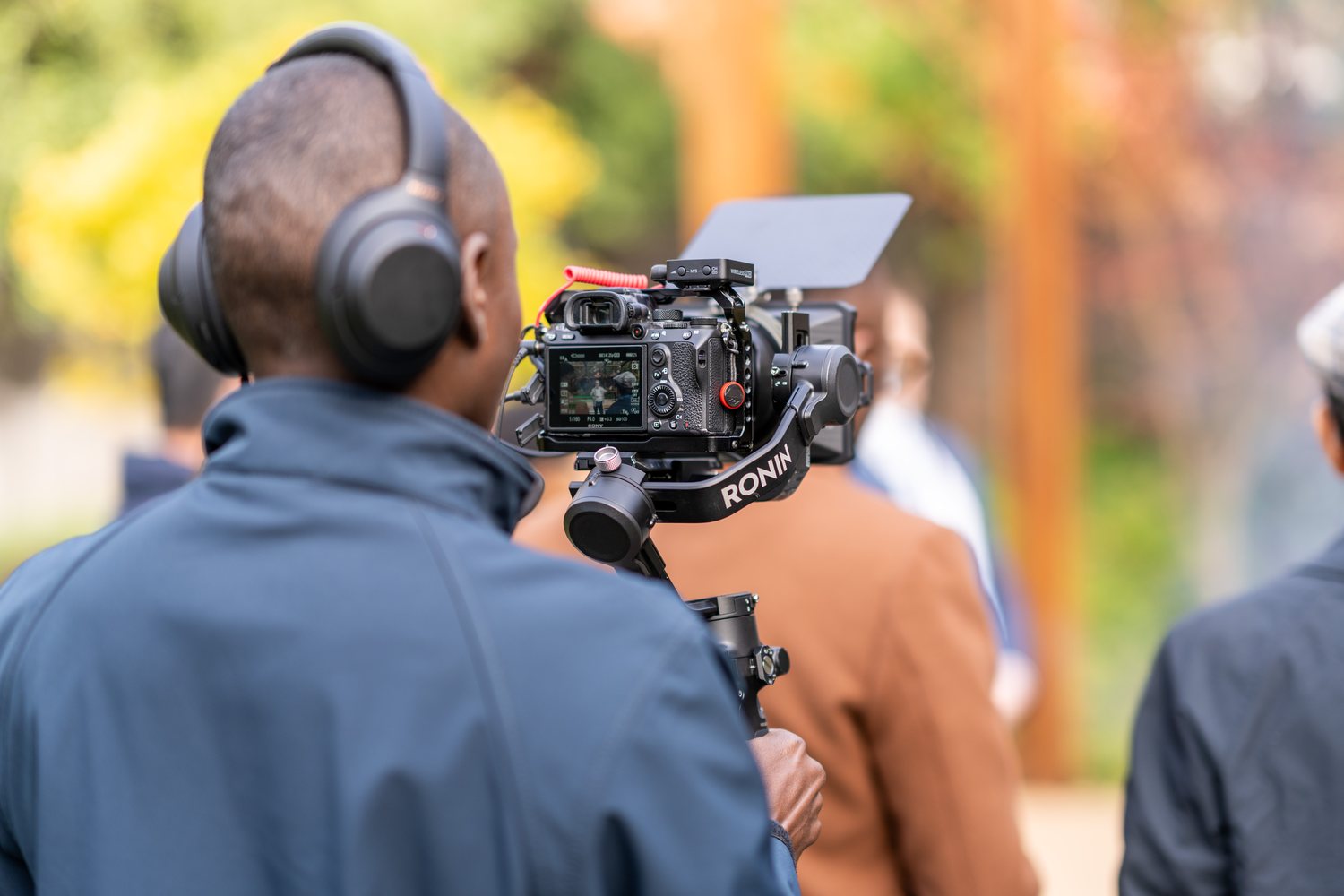
The storytelling is character-led. Real people, real environments, real moments. There’s usually an interview component, but the interviews feel like conversations rather than rehearsed answers. The footage around them is shot in the field, not in a studio.
These films typically run between five and twenty minutes, though some are shorter. Length depends on the complexity of the story, not a fixed rule.
When This Format Is the Right Call
You have a compelling origin story
Some businesses were built the hard way, or started from an unusual place, or exist because their founder saw something others missed. If the story of how you got here is genuinely interesting, a documentary-style film can tell it in a way that a standard brand video simply can’t. This format gives that story room to breathe. You’re not trying to compress five years into thirty seconds.
Your work is built around craft or process
Businesses where the how matters as much as the what are natural candidates for this format. Makers, builders, chefs, designers, clinicians, engineers. If what you do involves skill, time, and attention, showing that process on screen creates a level of credibility that any amount of marketing copy will struggle to match. Watching something being made well is genuinely compelling.
You’re a purpose-driven organisation
Not-for-profits, social enterprises, and community organisations often have stories that deserve more than a two-minute explainer. The people they serve, the change they’re creating, the complexity of what they do every day: these are things that benefit from depth. A documentary-style film can follow a client journey, document a program in action, or profile the people driving the work.
Your business is going through a significant transition
A major expansion, a leadership change, a rebrand, a move into a new market. These moments often pass undocumented, and that’s a missed opportunity. Capturing a transition as it’s happening creates a record of that chapter, and it tells your audience that you’re moving forward with intention.
What It Takes to Produce One Properly
Documentary-style filmmaking requires a different investment than a standard brand video. The production process typically involves multiple shoot days, often across different locations and over a longer period. There’s usually a pre-production phase where the story is developed and the right subjects are identified. Post-production takes longer because the editor is working with more raw material and shaping a narrative rather than following a script.
If you’re comparing this to a brand video, the scope is larger. But the output is also more substantial. A well-made documentary-style film has a much longer shelf life than most content, and it tends to be shared, referenced, and remembered in ways that shorter content isn’t.
How It Fits With the Rest of Your Content
A longer documentary creates a lot of raw material. Interviews, b-roll footage, behind-the-scenes moments. That material can be cut into shorter pieces for social media, turned into short-form content for Instagram or LinkedIn, or used in presentations and proposals.
You’re not just making one film. You’re generating a library of assets from a single production period. That changes the economics considerably when you work it out properly.
How to Tell If Your Story Is Ready
Ask yourself a few honest questions. Is there a person or people at the centre of this story who can carry it on camera? Is there something at stake, something that’s been overcome, built, or changed? Would someone with no connection to your business find this genuinely interesting to watch?
If the answers are yes, you probably have something worth documenting. If you’re not sure, that’s worth a conversation before any commitment is made.
Not Every Story Needs This Format
It’s worth saying clearly: documentary-style filmmaking isn’t inherently better than other formats. It’s appropriate for specific situations.
If you’re covering a conference or industry event, event coverage is likely more appropriate. If you need to explain a service clearly and quickly, an overview video will do more work for less investment. The right format is always the one that serves the story and the goal.
When this format lands well, it does something that most marketing content doesn’t. It makes people feel something. It builds a genuine connection between an audience and an organisation. That’s not easy to achieve, but for the businesses where this format fits, it’s one of the most valuable investments in content they’ll make.
Want help applying this to your business?
Book a free discovery call →