From the outside, a medical or health industry event might sound fairly dry. Presentations, workshops, networking breaks. A room full of specialists absorbing updates on technique, technology, or regulation. Worth attending, probably, but not the most cinematic premise.
Spend time inside one and that picture changes quickly.
Well-designed medical education events are genuinely dynamic. They mix structured learning with practical demonstrations, peer discussion, and often real creativity in how the content is delivered. Organisers in this space have learned that traditional conference formats do not hold attention, and they have built events that are more immersive, more interactive, and more memorable than a standard lecture series.
That energy deserves to be captured. And most of the time, it is not.
What standard event coverage misses
The default approach to event photography and video in the health and medical sector tends to be functional at best. A photographer moving through the room, snapping shots of speakers at lecterns, wide angles of seated audiences, maybe a few posed shots of attendees at registration. Video that consists mainly of locked-off wide shots of presentations.
The problem is that this kind of coverage does not reflect what actually made the event worth attending. It shows the format, not the content. It records the physical setup, not the energy in the room.
For an event organiser looking to use their content to promote the next event, recruit future attendees, or demonstrate the value of the program to partners and sponsors, that kind of coverage does almost nothing. A photo of someone standing at a lectern tells a prospective attendee very little about whether they should clear their calendar and make the trip.
Good event coverage works differently. It finds the moments that show what is actually happening: the conversations that break out in the corridor, the hands-on demonstrations, the expression on someone’s face when something clicks, the informal exchanges between colleagues who only see each other at events like this. That is the content that makes someone look at a highlight reel and think: I want to be at that next year.
Turning a single event day into months of content
One of the strongest arguments for investing in proper event coverage is what it produces beyond the day itself.
A well-covered event can generate a highlight video that anchors the promotion of the next event. It produces photography for LinkedIn posts, partner communications, and media releases. It creates footage that can be repurposed internally for training, reporting, or stakeholder updates. If speakers consent, their presentations can be clipped and shared as standalone content, extending the reach of the event’s ideas long after the room has been packed up.
That does not happen automatically. It requires planning: understanding the run sheet before the day, knowing which moments are the important ones and which are the photogenic ones, and having a team that can move fluidly between formats throughout the day without disrupting the program.
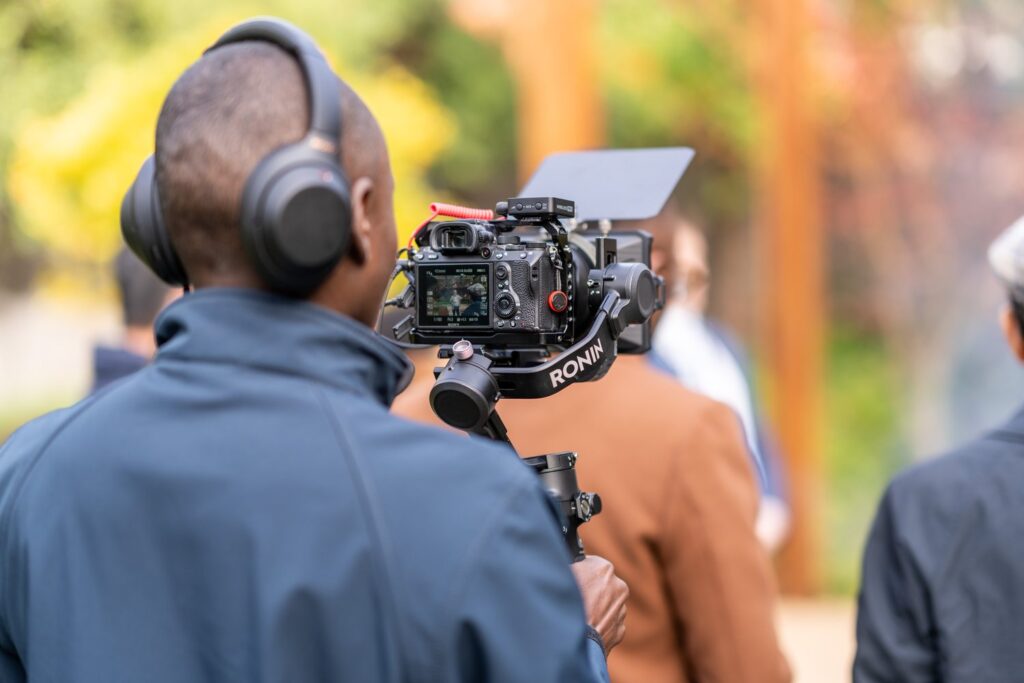
The production team at a medical event is not a passive presence. They need to understand what is about to happen next so they can be in the right place when it does.
Navigating the regulatory side
Medical and health events come with sensitivities that do not apply to most other industries. There may be clinical material on screen that cannot be filmed. There may be attendees who cannot appear in publicly distributed content. There may be sponsor or partner obligations around how certain content is used.
A production team that has not worked in this space before can slow things down significantly, either by asking too many questions in the middle of the program or, worse, by capturing material that then cannot be used.
Working with a team that understands the brief in advance, has thought through the compliance questions before arriving on the day, and knows how to navigate those constraints without disrupting the event makes a real difference to what you end up with.
The EQ Surgical example: Game of Spines
When EQ Surgical brought us in to cover their Game of Spines event, a medical education day in Canberra built around a Medieval theme, the brief was to capture both the substance and the spirit of what they had created.
The event was genuinely creative: a full-day program of surgical education delivered through an immersive thematic framework. The organisers had put real thought into how to make the learning stick, and the format showed it. Our job was to capture that in a way that would work for future event promotion, social media, and internal reporting.
The combination of photography and video from the day gave EQ Surgical a content library that reflected what made the event different, not just what it looked like on the surface.
See the full breakdown in the EQ Surgical case study.
Planning is what makes it work
The difference between event coverage that produces useful content and coverage that produces archive footage is almost entirely in the planning stage.
Before the day, we want to know the full run sheet, the moments the organiser considers most important, any access or compliance constraints, and what the content needs to achieve once the event is over. That conversation shapes everything: where we position ourselves, which formats we prioritise, how we move between rooms or breakout spaces, and what we are specifically watching for.
For medical and health events, that planning conversation also includes an honest discussion about what can and cannot appear in distributed content, so there are no difficult conversations after the fact.
Your next event is a content opportunity
If your organisation runs medical education events, clinical conferences, or health industry programs, the day itself is just one part of what it can produce. With the right coverage, a single event generates content that earns its investment many times over in the months that follow.
We work with health industry clients in Canberra and across Australia to plan and execute event coverage that delivers well beyond the day. If you have an event coming up, get in touch early because the planning is where the value starts.
Reach out to the Studio Who team at studiowho.com.au.
Thinking about video for your business?
See how our Canberra video production works →