An advocacy campaign is different to most other kinds of communication work. It is not trying to explain a product or build a brand. It is trying to change something. To shift opinion, create political pressure, move people to action. The content that serves it has to work in that context, which means it has to feel real, it has to move fast, and it has to hold up under scrutiny.
Advocacy audiences, particularly younger ones, are skilled at identifying content that has been manufactured. If the passion looks performed, they disengage. If the talking points feel pre-packaged, the credibility of the whole campaign takes a hit. The content that works in this space is the content that captures what is actually happening: real people, real stakes, real moments.
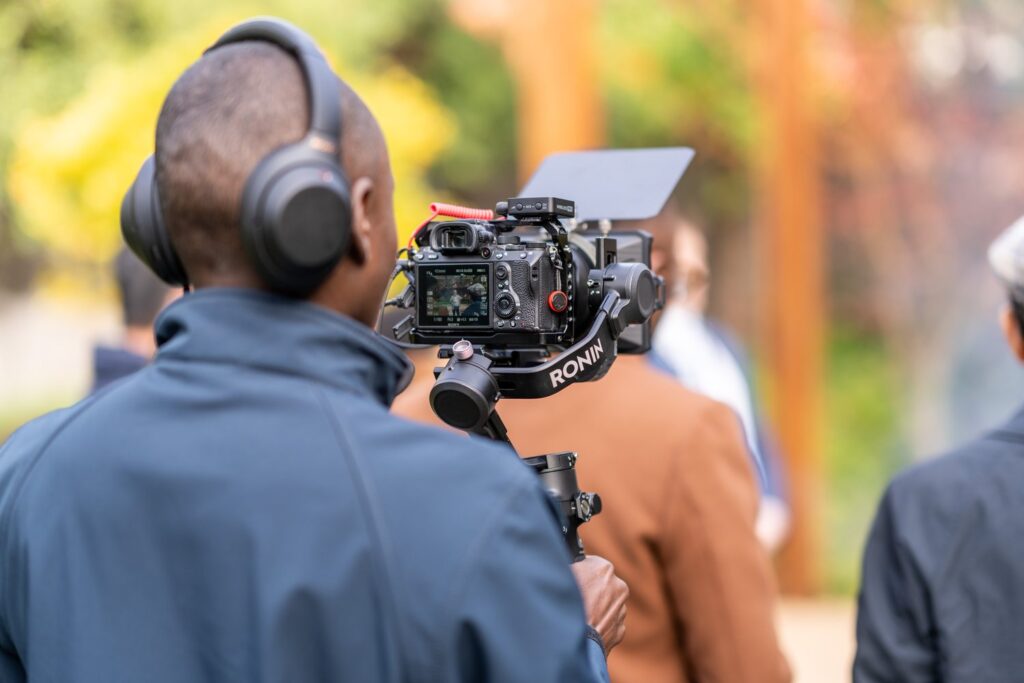
That requires a different kind of production approach. Not a controlled studio environment or a scripted spokesperson. Something closer to documentary filmmaking, done quickly, and delivered in formats that work across every platform the campaign is running on.
The content challenge in advocacy work
Most advocacy campaigns are under-resourced relative to the amount of content they need to produce. There is a lot of ground to cover: awareness content for people encountering the campaign for the first time, deeper storytelling for people who want to understand the issue, content for partner organisations to share, material for funding and grant conversations, and social content that keeps the campaign visible between major moments.
That is a lot to ask from a team that is simultaneously managing the actual campaign.
The answer is not to produce more, separately. It is to produce smarter. A well-planned production day should yield content for all of those purposes at once. The long-form interview becomes the source material for the awareness video, the social cutdowns, the press kit, and the onboarding content for new partners. The event footage becomes the visual evidence that the campaign is real and active. The pull quotes become the captions.
This kind of multi-format thinking needs to be built into the brief before the shoot, not retrofitted afterwards.
Speed matters more than polish
In campaign work, timeliness often matters more than production value. If parliament is debating your issue this week and you have footage of your campaign advocates speaking directly to it, that content needs to be out today, not next week when the edit is perfect.
The production teams that work well in advocacy contexts are the ones that can turn around a raw cut quickly, that understand a rough-but-ready short is worth more than a polished video that misses the window, and that have built workflows that allow for fast delivery without sacrificing the essential quality that makes the content watchable.
That speed also applies to how production days are planned. Campaign schedules change. A press conference gets moved. A key spokesperson becomes available for thirty minutes instead of two hours. A good production team can adapt without losing the thread.
Centring the people the campaign is about
One of the most important choices in advocacy content is whose voice is at the centre. For campaigns that are advocating on behalf of a particular community, especially younger people, the instinct to hand the camera to the organisation’s spokesperson rather than the people most affected by the issue is a mistake.
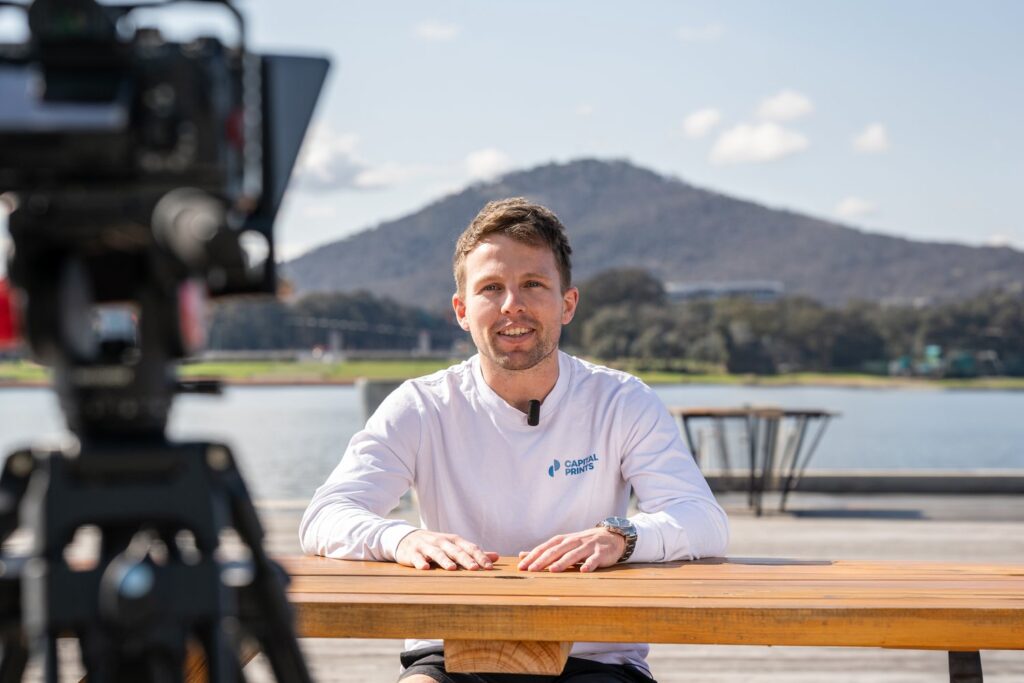
Documentary-style interviews, where the subject talks naturally about their experience rather than delivering a message, are far more compelling than polished corporate talking heads. They also carry more weight with audiences who are sceptical about institutional communication.
This means taking the time to make the interview subject comfortable, letting the conversation find its natural shape, and trusting that the authentic version is more powerful than the rehearsed one. The content sometimes takes a slightly unexpected direction, and that is often where the best material is.
Make It 16: filming young campaigners at Parliament House
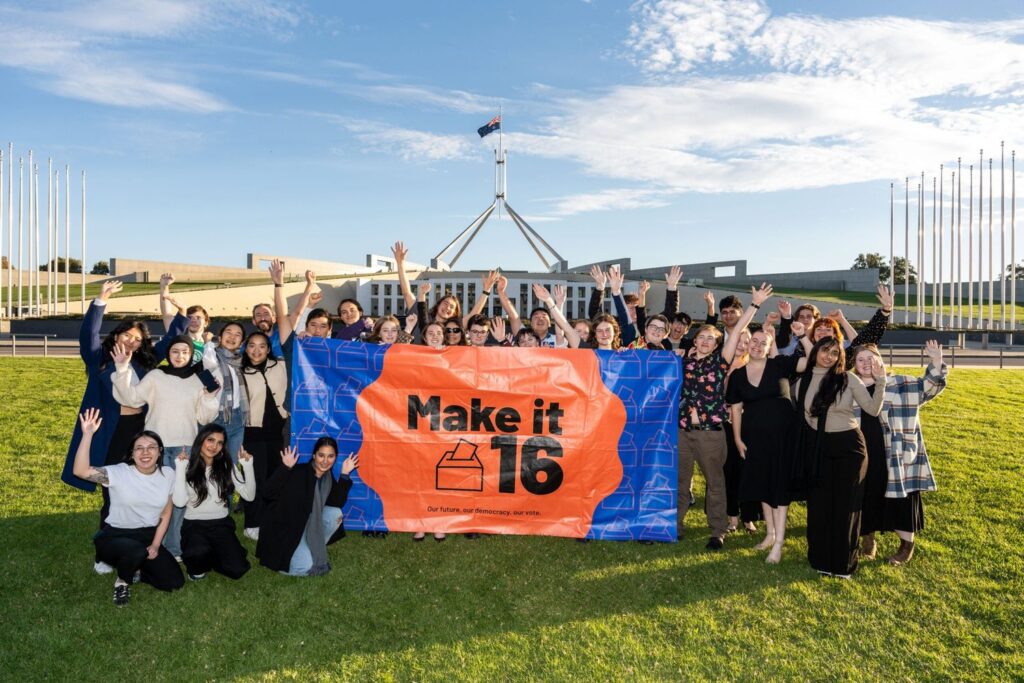
When we worked with Make It 16, the campaign to lower the voting age to sixteen in Australia backed by the Foundation for Young Australians, the production brief was everything described above. The campaign was youth-led, which meant the young people at the centre of it needed to be the voices people heard. It was politically active, which meant the content needed to be deployable quickly. And it was running across multiple platforms and reaching partner organisations with different needs.
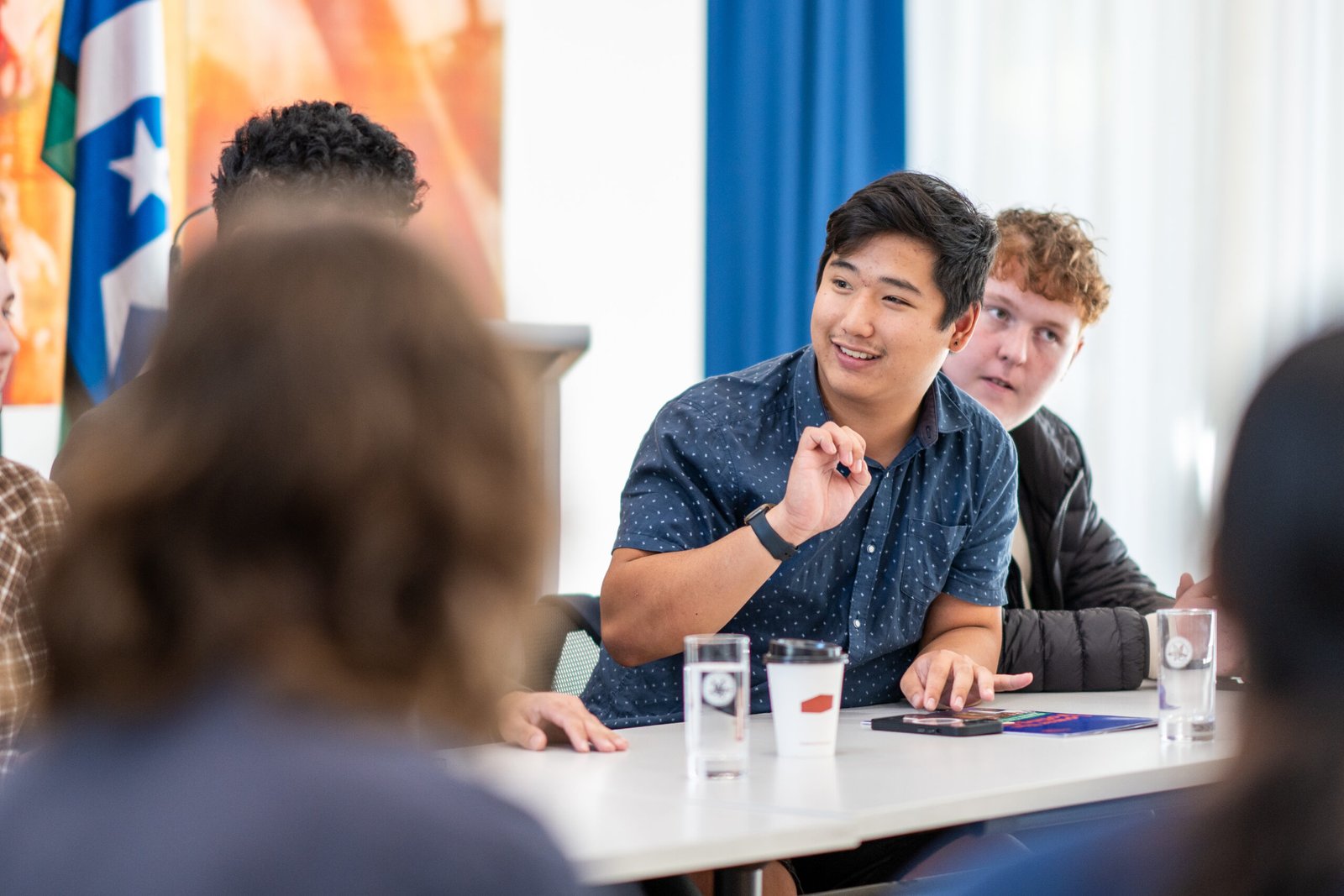
We filmed at Parliament House in Canberra, capturing interviews with youth council members and campaign advocates in a way that felt genuine rather than staged. The turnaround was fast. The content was delivered in multiple formats for different channels.
You can see the full project in the Make It 16 case study.
The content also does long-term work
It is easy to think of campaign content purely in terms of the immediate news cycle: the video that goes up today, the clip that gets shared this week. But advocacy content also does work over a longer horizon.
For a campaign that is seeking ongoing funding, partnership support, or government engagement, having strong video and photography of the campaign in action is a significant asset. It demonstrates that the campaign is real and active. It shows what the organisation is capable of. It gives potential partners a sense of what it looks and feels like to be involved.
That documentation function, capturing the campaign as it happens so it can be used to sustain and grow the campaign, is often undervalued. The organisations that invest in it well tend to be better placed when they sit down with funders or political allies.
Content that serves the cause
We work with advocacy organisations, not-for-profit campaigns, and purpose-led projects in Canberra and across Australia. We understand the pace, the constraints, and the need for content that feels honest rather than institutional.
If you have a campaign that needs video, photography, or multi-format content support, we would like to hear about it.
Reach out to the Studio Who team at studiowho.com.au.
Thinking about video for your business?
See how our Canberra video production works →