What Makes Canberra’s Independent Hospitality Scene Worth Talking About
Canberra has a food and hospitality scene that consistently surprises people who do not know it well. For a city of around 470,000 people, the depth and quality of what is on offer is genuinely impressive. Independent cafes, neighbourhood restaurants, specialty food producers, small-batch brewers and wine bars have all found their place here, and many of them are thriving.
This is not a piece about one specific business. It is a composite picture of the kind of independent hospitality operation we work with regularly at Studio Who. The details are drawn from patterns we see across Canberra’s food and beverage sector, not from any single client.
What makes these businesses interesting, and what makes their content challenges distinctive, is worth understanding.
A Scene Built on Regulars
Canberra’s hospitality market operates differently from Sydney or Melbourne in one important respect: the customer base is more contained, and loyalty runs deep. A cafe in Braddon or Kingston does not rely on tourist foot traffic or passing trade from an airport hotel. It relies on people who live or work nearby, who come back week after week, and who tell their colleagues and neighbours what is worth trying.
This creates a different kind of pressure. Quality and consistency matter enormously. Reputation travels fast. A bad run of service or a drop in product standards does not just lose a customer for a night. It can lose them for good.
The flip side is that when a business earns its place in the community, the loyalty it generates is remarkable. Canberra’s best independent hospitality businesses have customers who have been coming in for years, who know the staff by name, who bring their visiting family members in because they want to show them something they are proud of.
That relationship between business and community is the most important thing a hospitality operator has. It is also the hardest thing to communicate through content.
The Challenge of Standing Out
The competitive landscape in Canberra’s hospitality sector has shifted substantially over the past decade. More businesses, more quality, more choice. Operators who were doing something distinctive five years ago now have real competition. The question is no longer just “are we good?” It is “do the right people know we are good, and are we communicating what makes us different from the business down the street?”
This is where content becomes strategic rather than decorative.
Most independent hospitality businesses in Canberra do not have a marketing team. The owner is often the cook, the buyer, the rostering manager, and the person writing the Instagram caption at 10pm after a long service. Content ends up being reactive and inconsistent, not because nobody cares, but because there is no system and no time.
The gap between what a business actually is and how it appears online can be significant. A restaurant with extraordinary food and a genuinely warm room can look unremarkable on Instagram if no one has ever photographed it properly. A specialty food producer making something genuinely interesting can be invisible outside the farmers market circuit because they have never had the content to tell their story at scale.
How Physical Presence and Content Work Together
One of the things we see consistently is that Canberra’s best hospitality businesses build community through both their physical presence and their digital footprint, and the two reinforce each other.
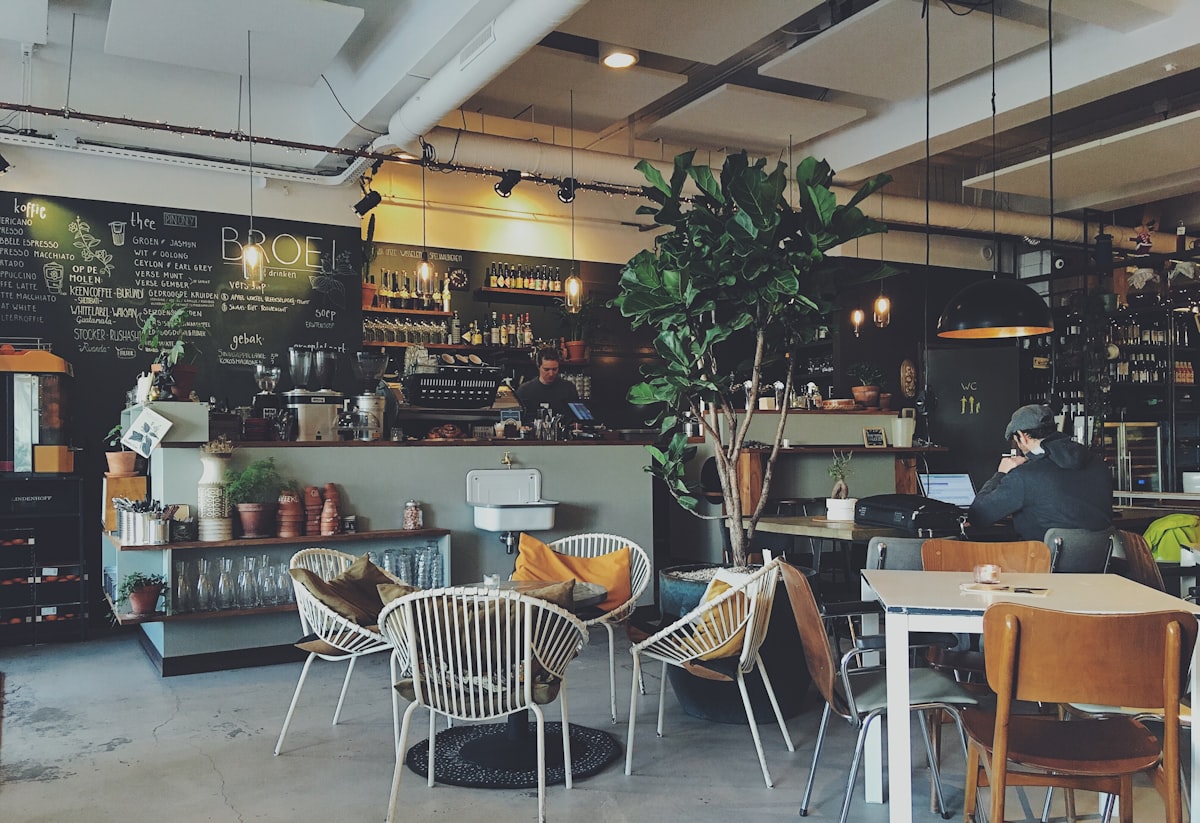
The physical space matters. The room, the light, the way tables are set, the staff who remember your order. These things create the experience that makes people loyal. But they only reach the people who already walk through the door.
Content extends that experience outward. A well-shot photograph of the dish that took three seasons to develop. A short video that shows the morning prep before service, the sourcing visit to a regional farm, the hands of the person who makes the product. These are the things that make someone who has never been in want to go, and remind someone who has been in before why they should come back.
The content we reference in our piece on hospitality content strategy goes into more detail on this, but the short version is: the best hospitality content is rooted in the actual experience of the place. It is not a styled shoot that makes the room look bigger than it is or the food look like it came from a different kitchen. It is an honest, well-executed document of what the business genuinely is.
Visual Identity and Bookings
For hospitality businesses, visual content is directly connected to revenue in a way that is easier to trace than in many other sectors. Someone browsing for a dinner booking in Canberra on a Friday afternoon will look at three or four options online before they decide. The business with strong, consistent photography wins that moment more often than the one with blurry phone shots or nothing at all.
This is particularly true for private dining, events, and group bookings. A function coordinator choosing between venues is absolutely making decisions based on how the space looks online. A bride looking for a wedding breakfast venue, an employer choosing somewhere for a team lunch, a visitor trying to find somewhere worth the special trip: all of these decisions run through visual content.
Investing in a proper photography session, updated seasonally or at least annually, pays for itself quickly in this context. The images live on the website, on Google Business, across social channels, in press requests, in reservation platform listings. A single shoot generates assets that work across every channel for months.
Telling the Story That Drives Loyalty
Beyond bookings, content builds the longer-term relationship between a hospitality business and its community. The businesses doing this well in Canberra are not just posting pretty food photography. They are telling the story of where the produce comes from, introducing the people behind the operation, documenting the seasonal changes in the menu, sharing the small moments that make the place what it is.
This kind of content does several things at once. It reinforces loyalty in existing customers, who feel connected to something they are already part of. It attracts new customers who are looking for something with real depth and character. And it builds a record of what the business stands for, which becomes increasingly valuable as the business grows and the competitive landscape shifts.
The businesses in Canberra that have been operating for ten or fifteen years and still have lines out the door on Saturday morning are not there by accident. They have built something real, and they have found ways to communicate it.
What Good Content Looks Like for a Hospitality Business
When we work with food and hospitality clients in Canberra, we are always looking for the specific things that make this particular place worth caring about. That usually means:
- The sourcing story. Where does the produce come from, and what relationships sit behind that?
- The craft. What skill or knowledge goes into what ends up on the plate or in the cup?
- The people. Who built this place and why does it exist?
- The room and the atmosphere. What does it feel like to be there?
- The regulars and the community. What does this space mean to the people who keep coming back?
None of this requires a large production budget. It requires attention, planning, and someone who understands how to find and document the things that make a place genuinely good.
Ready to Tell Your Story Properly?
If you run an independent hospitality or food business in Canberra and your content is not doing justice to what you have built, Studio Who can help. We work with cafes, restaurants, bars, food producers, and beverage brands across the ACT, and we understand what this sector needs. Get in touch to talk about what a photography or content package could look like for your business.
Want help applying this to your business?
Book a free discovery call →